
Nootropic Peptides for Cognitive Research
Semax and Selank are the two names that come up over and over in nootropic peptide research, and for good reason — they’re some of the most-studied compounds to come out of Russian neuropharmacology in the last few decades. Semax is built around a fragment of ACTH and is studied mainly for BDNF signaling, neuroprotection, and focus. Selank is a synthetic tuftsin derivative studied for its effects on GABA pathways and stress response — think calm, not sedated.
They’re not interchangeable, and researchers usually pick one over the other based on what they’re actually studying: cognitive performance and neuroprotection point toward Semax, while anxiety and stress-response models point toward Selank. We also carry the acetylated analogs (N-Acetyl Semax Amidate, N-Acetyl Selank Amidate) and P21 and Dihexa for BDNF/neurogenesis-focused research. Every batch ships lyophilized with third-party HPLC verification and a COA available on request.
Showing all 15 results
-
N-Acetyl Semax Amidate (30mg)
$81.00 Read more Out of Stock -
NA Selank Amidate (30mg)
$79.00 Read more Out of Stock -
Oxytocin Acetate (10mg)
Read more Out of Stock -
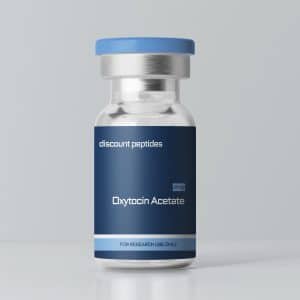
Oxytocin Acetate (2mg)
$64.00 Add to cart -
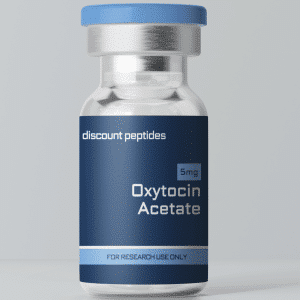
Oxytocin Acetate (5mg)
$67.00 Read more Out of Stock -
Pinealon (10mg)
$59.00 Add to cart -
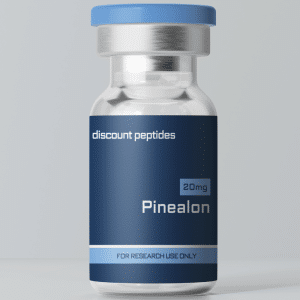
Pinealon (20mg)
$72.00 Read more Out of Stock -
Pinealon (5mg)
$65.00 Read more Out of Stock -
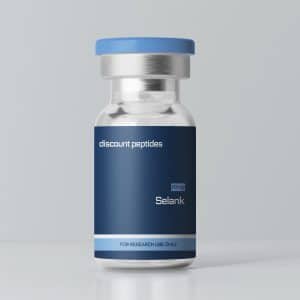
Selank (10mg)
$45.00 Add to cart -
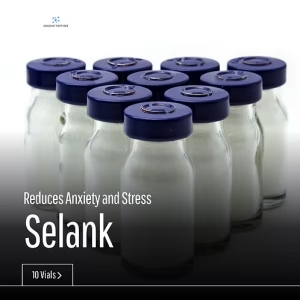
Selank (30mg)
$78.00 Read more Out of Stock -
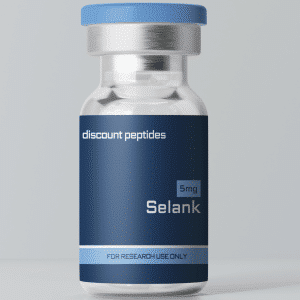
Selank (5mg)
$35.00 Read more Out of Stock -
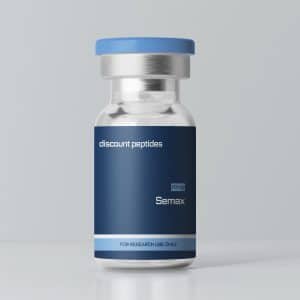
Semax (10mg)
$45.00 Add to cart -
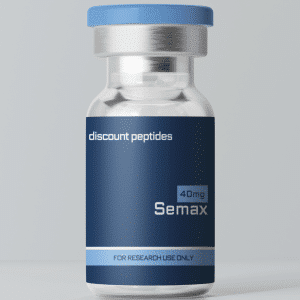
Semax (40mg)
$179.00 Read more Out of Stock -
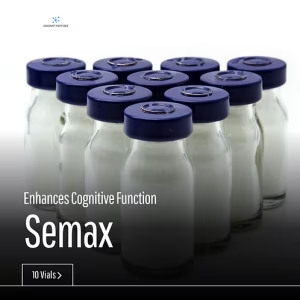
Semax (5mg)
$35.00 Read more Out of Stock -
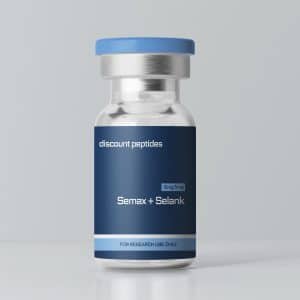
Semax + Selank (5mg+5mg)
$75.00 Add to cart
Frequently Asked Questions
Common questions about nootropic peptides — answered for researchers.
What's the actual difference between Semax and Selank?
They act on different systems. Semax is derived from ACTH and is studied mostly for neuroprotective and BDNF-related effects — the 'focus and recovery' peptide. Selank is a tuftsin analog studied mainly for GABA modulation and stress response — the 'calm without sedation' peptide. Some research protocols use both as comparison arms in the same study since their mechanisms are complementary rather than overlapping.
Why do some products say 'N-Acetyl' in the name?
N-Acetyl Semax Amidate and N-Acetyl Selank Amidate are modified versions of the parent compounds with an added acetyl group, which is reported to improve stability. They're the same core peptide sequence with a small structural tweak — not a different compound.
How should these be stored before and after reconstitution?
Keep the lyophilized powder in the freezer until you're ready to use it, protected from light. Once reconstituted with bacteriostatic water, standard lab protocol is to store at 2–8°C and use within about 2–4 weeks, and to avoid repeated freeze-thaw cycles on the same vial.
Is there human clinical data on these, or is it all animal research?
Most of the peer-reviewed literature on Semax and Selank comes out of Russian clinical and experimental research, including some human studies, alongside a larger body of animal and in vitro work. Regulatory status and the depth of that evidence base vary a lot by country, which is exactly why we sell these strictly as research compounds, not as supplements or medications.
Can these be combined in the same research protocol?
Yes — researchers frequently run Semax and Selank as comparison or combination arms since they hit different receptor systems (BDNF/neurotrophic signaling vs. GABA/anxiolytic pathways). That's a research design decision that depends on your specific question, not something we can advise on directly.