


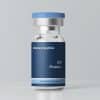
Pinealon (10mg)
$59.00
RESEARCH USE ONLY
9 in stock (can be backordered)
Description
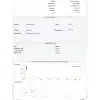
To confirm authenticity, see the Registered Certificate of Analysis on the THIRD PARTY testing lab website:
https://coas.freedomdiagnosticstesting.com/Disc2608210096.pdf
Click here to view and download the THIRD PARTY CERTIFICATE OF ANALYSIS.
Pinealon is a synthetic tripeptide composed of Glu-Asp-Arg and belongs to the family of short peptides developed through the Khavinson peptide-bioregulator research program. It has been studied in relation to cellular aging, oxidative stress, neuronal function, and gene regulation.
Product Information
Laboratory studies have shown Pinealon can influence oxidative-stress markers and cell viability. One study found that Pinealon reduced reactive oxygen species and necrotic cell death in several cellular models.
How Does It Work?
Pinealon is proposed to influence gene expression and cellular stress pathways, including mechanisms associated with oxidative balance and cell proliferation.
Benefits
Neuroprotective Research
Pinealon has been studied in cellular and animal models involving oxidative stress and neuronal function, making neuroprotection one of its main research areas.
Oxidative-Stress Research
Laboratory research found dose-dependent suppression of reactive oxygen species, suggesting potential relevance to studies of cellular oxidative damage.
Healthy-Aging Research
Pinealon has been included in research into biological aging and age-associated cellular decline, particularly within Russian peptide-biochemistry research programs.
Cellular Viability
Experimental studies have reported improved cellular survival under oxidative stress conditions, supporting further investigation into its cytoprotective properties.
Related products
-
N-Acetyl Semax Amidate (30mg)
$81.00 Read more Out of Stock -
NA Selank Amidate (30mg)
$79.00 Read more Out of Stock -
Pinealon (20mg)
$72.00 Read more Out of Stock -
Oxytocin Acetate (2mg)
$64.00 Add to cart