
Healing & Recovery Peptides
BPC-157 and TB-500 are, without question, the two most talked-about peptides in tissue-repair research communities — and they’re frequently studied together as a combination (sometimes called the ‘Wolverine stack’) because they work through complementary mechanisms rather than the same one. BPC-157 is a pentadecapeptide derived from a protein found in gastric juice, studied extensively for its effects on tissue repair pathways. TB-500 is a synthetic fragment of Thymosin Beta-4, studied for its role in cell migration and actin regulation.
We also carry LL-37, an antimicrobial peptide studied in wound-healing and immune research, and KPV, a tripeptide studied for anti-inflammatory effects in gut and skin models. All four are available individually or as pre-mixed combination vials (BPC-157/TB-500, and a three- and four-peptide blend with GHK-Cu and KPV) for researchers running multi-compound protocols.
Showing 1–16 of 18 results
-
BPC-157 (10mg)
$70.00 Add to cart -
BPC-157 (20mg)
$89.00 Read more Out of Stock -

BPC-157 (2mg)
$24.00 Read more Out of Stock -
BPC-157 (5mg)
$45.00 Add to cart -
BPC-157/TB-500 (10mg+10mg) Wolverine Blend
$99.00 Add to cart -

BPC-157/TB-500 (2mg 2mg)
$48.00 Read more Out of Stock -
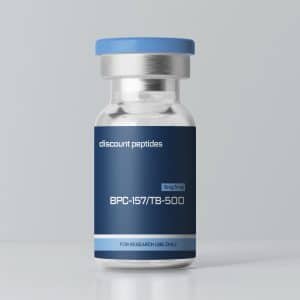
BPC-157/TB-500 (5mg+5mg)
$73.00 Add to cart -
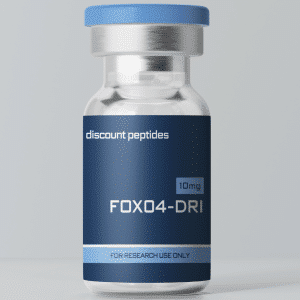
FOX04-DRI (10mg)
$120.00 Read more Out of Stock -
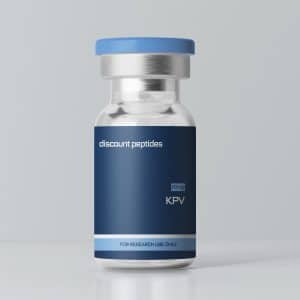
KPV (10mg)
$59.00 Add to cart -

KPV (5mg)
$37.00 Read more Out of Stock -
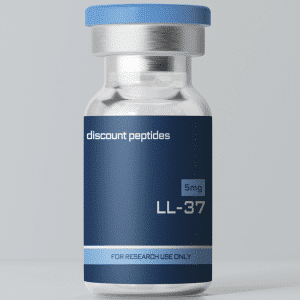
LL-37 (5mg)
$75.00 Read more Out of Stock -
TB-500 Frag (10mg)
$68.00 Read more Out of Stock -
TB-500(Thymosin B4 Acetate) (10mg)
$95.00 Add to cart -

TB-500(Thymosin B4 Acetate) (20mg)
$88.00 Read more Out of Stock -
TB-500(Thymosin B4 Acetate) (2mg)
$42.00 Read more Out of Stock -
TB-500(Thymosin B4 Acetate) (5mg)
$62.00 Read more Out of Stock
Frequently Asked Questions
Common questions about healing & regeneration peptides — answered for researchers.
Why are BPC-157 and TB-500 always mentioned together?
They're studied through complementary but distinct mechanisms — BPC-157 is associated with tissue-repair signaling broadly, while TB-500 (Thymosin Beta-4) is studied specifically for its role in cell migration and actin regulation. Because the mechanisms don't overlap directly, a lot of research protocols study them in combination rather than choosing one over the other.
How long does reconstituted BPC-157 or TB-500 actually last?
Most research protocols use reconstituted BPC-157 and TB-500 within about 28 days when stored at 2–8°C in bacteriostatic water. For longer storage, the standard approach is to aliquot and freeze portions rather than keeping one vial in the fridge for months — repeated freeze-thaw cycles on the same vial will degrade the peptide.
Can you freeze these peptides after they're reconstituted?
Once reconstituted, freezing is generally not recommended for a vial you plan to keep using — the freeze-thaw cycle tends to degrade peptide structure. If you need longer-term storage, the better approach is to split the reconstituted solution into single-use aliquots and freeze those separately so each one only goes through one freeze-thaw cycle.
What's the difference between the BPC-157/TB-500 blend and buying them separately?
The pre-mixed blend is the same two compounds combined into a single vial at a fixed ratio, which is convenient if your protocol calls for both in that specific ratio. Buying them separately gives you more flexibility to adjust the ratio between the two, or to run them on different timelines within the same study.
What is KPV studied for, and how does it fit with the other peptides in this category?
KPV is a small anti-inflammatory tripeptide studied mostly in gut and skin inflammation models — a different angle from BPC-157 and TB-500's tissue-repair focus, but complementary enough that it's included in some of our multi-peptide combination vials for researchers studying inflammation and repair together.