

Vilon (20mg)
$72.00
RESEARCH USE ONLY
10 in stock (can be backordered)
Description
Vilon is a short synthetic dipeptide composed of Lys-Glu and is part of the Khavinson family of peptide bioregulators. It has been investigated primarily in relation to cellular differentiation, immune function, aging, and tissue regeneration.
Product Information
Vilon research has examined its ability to influence cellular gene expression and differentiation. Experimental studies have also investigated its effects on thymocytes and liver regeneration in animal models.
How Does It Work?
Vilon is proposed to influence tissue-specific gene regulation and cellular differentiation, although its exact molecular target remains incompletely established.
Benefits
Cellular-Aging Research
Vilon has been investigated as a regulator of age-associated gene expression, particularly involving genes connected with cellular aging and inflammatory signaling.
Immune-System Research
Experimental studies have examined Vilon’s influence on thymocytes and immune-cell activity, making it relevant to research into immune aging.
Cellular Differentiation
Laboratory studies suggest Vilon can influence cellular differentiation and protein-synthesis processes in thymic cells.
Tissue-Regeneration Research
Animal research has examined Vilon in models of liver injury and regeneration, including changes in hepatocyte metabolic activity.
Related products
-
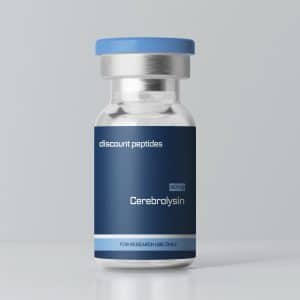
Cerebrolysin (60mg)
$65.00 Add to cart -
N-Acetyl Epithalon Amidate (5mg)
$68.00 Read more Out of Stock -
Bronchogen (20mg)
$72.00 Read more Out of Stock -
P21 (10mg)
$68.00 Read more Out of Stock