
Shop GLP-1 Research Peptides
Showing 33–38 of 38 results
-
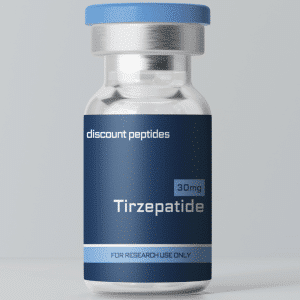
Tirzepatide 30mg
$90.00 Read more Out of Stock -
Tirzepatide 40mg
$100.00 Read more Out of Stock -
Tirzepatide 45mg
$104.00 Read more Out of Stock -
Tirzepatide 50mg
$110.00 Read more Out of Stock -
Tirzepatide 5mg
$45.00 Read more Out of Stock -
Tirzepatide 60mg
$120.00 Read more Out of Stock
Frequently Asked Questions
Common questions about glp-1 research peptides — answered for researchers.
What's the difference between Semaglutide, Tirzepatide, and Retatrutide?
Semaglutide is a single-pathway GLP-1 receptor agonist. Tirzepatide is a dual agonist that also activates the GIP receptor. Retatrutide goes a step further as a triple agonist, adding glucagon receptor activity on top of GIP and GLP-1. Each additional pathway changes the metabolic research profile, which is why they're studied separately rather than treated as versions of the same compound.
What is Cagrilintide, and how is it different from the GLP-1 compounds?
Cagrilintide is an amylin-analog peptide, not a GLP-1 agonist — it works through a different receptor system entirely, which is why it's frequently studied alongside GLP-1 compounds rather than instead of them. Combination research protocols pairing it with Semaglutide or Retatrutide are one of the more active areas of current literature.
How should lyophilized GLP-1 peptides be stored?
Unreconstituted, keep them refrigerated (2–8°C) or frozen for longer-term storage, protected from light. After reconstitution with bacteriostatic water, standard protocol is refrigeration and use within roughly 3–4 weeks — check the specific stability data for the compound you're working with, since it varies slightly by peptide.
What does 'for research use only' actually mean for these products?
It means exactly what it says: these compounds are sold for laboratory and research purposes, not for human or animal consumption, and they haven't been evaluated by any regulatory body as a drug or treatment. That's the standard basis on which research peptides are sold industry-wide, and it's the framework all of our compounds are supplied under.
Why are there so many different dose strengths of the same compound?
Different research protocols call for different concentrations, and offering a range (rather than a single strength) means researchers aren't diluting or combining vials to hit the concentration their protocol requires. It's a convenience and precision issue, not an indication of different formulations.