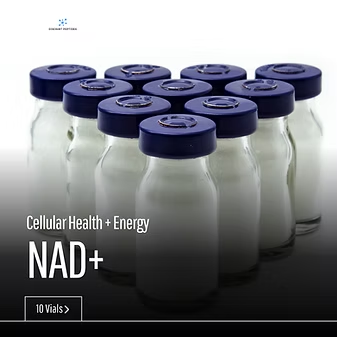
NAD+ (250mg)
$69.00
RESEARCH USE ONLY
Out of stock
Description
NAD+ (Nicotinamide Adenine Dinucleotide) is an essential cellular coenzyme involved in energy production, DNA repair, redox reactions, and numerous metabolic processes. Interest in NAD+ has grown rapidly as researchers investigate its role in aging, mitochondrial function, metabolism, and cellular resilience.
Unlike the peptide products commonly featured on Purerawz, NAD+ is not a peptide. It is a naturally occurring pyridine nucleotide found throughout the body’s cells.
Product Information
NAD+ works as both a metabolic cofactor and a substrate for enzymes involved in energy metabolism, DNA repair, cellular signaling, and oxidative-stress responses. NAD+ levels can change with age and metabolic stress, which has led to extensive research into strategies for restoring or increasing cellular NAD+ availability.
Research has largely focused on NAD+ precursors such as nicotinamide riboside (NR) and NMN, while direct NAD+ administration is increasingly being explored in IV and other clinical settings. A 2026 systematic review concluded that NAD+ augmentation clearly produces biological activity, but evidence for meaningful anti-aging or wellness outcomes in humans remains inconclusive.
How Does NAD+ Work?
NAD+ participates in hundreds of enzymatic reactions, helping cells convert nutrients into usable energy while supporting DNA repair, mitochondrial metabolism, redox balance, and cellular signaling.
NAD+ Benefits
Supports Cellular Energy Production
NAD+ is central to mitochondrial energy metabolism and helps facilitate the reactions required to generate ATP. Maintaining adequate NAD+ availability is therefore a major focus of research into cellular energy and metabolic function.
Supports DNA Repair and Cellular Maintenance
NAD+ is consumed by enzymes involved in DNA repair and cellular stress responses, including PARP enzymes. This has made NAD+ an important research target in studies examining cellular aging and accumulated DNA damage.
Mitochondrial and Metabolic Research
Preclinical research has associated NAD+ restoration with improvements in mitochondrial function, metabolism, and resistance to cellular stress. Human studies, however, have produced more mixed results, particularly when looking beyond biochemical NAD+ changes to meaningful health outcomes.
Helps Healthy Aging
Declining NAD+ availability with age has become a major area of longevity research. Researchers are investigating whether restoring NAD+ availability can influence metabolic, mitochondrial, and cellular aging processes. Current evidence supports biological activity but does not yet establish NAD+ as a proven anti-aging intervention.