

Semax (5mg)
$35.00
RESEARCH USE ONLY
Out of stock
Description
Semax is a synthetic neuroactive peptide derived from the ACTH(4–10) sequence. It has been researched extensively for its effects on neurological function, neuroprotection, stroke recovery, neurotrophic signaling, and cognitive processes.
Semax is particularly well represented in Russian clinical and experimental literature, where intranasal preparations have been investigated in several neurological settings.
Product Information
Semax is a synthetic peptide containing the ACTH-derived sequence Met-Glu-His-Phe-Pro-Gly-Pro. Unlike conventional stimulants, its research profile centers on neurotrophic and neuroprotective pathways.
Experimental studies have investigated its influence on BDNF and other neurotrophins, neurotransmission, immune signaling, and neuronal responses to ischemic injury.
How Does Semax Work?
Semax appears to influence neurotrophic signaling and neuronal gene expression, including pathways involving BDNF and other neurotrophins. Its complete mechanism has not been fully established.
Semax Benefits
Supports Neuroprotective Research:
Experimental research has found that Semax influences neurotrophin expression and several signaling pathways involved in the brain’s response to ischemic injury. Animal studies have specifically examined changes involving BDNF, NGF, and their receptors.
Research Into Stroke Recovery:
Clinical research has investigated Semax as part of treatment protocols following ischemic stroke. A clinical study involving 30 patients reported effects on the rate of recovery of neurological functions, particularly motor deficits.
Influences BDNF and Neurological Signaling:
More recent clinical research has reported increased plasma BDNF following Semax administration in patients undergoing post-stroke rehabilitation. The study also reported improvements in functional recovery measures, making BDNF-related signaling an important area of Semax research.
Supports Broader Neurological Research:
Semax has also been investigated in conditions involving chronic neurological impairment. A clinical study in patients with motor-neuron disease evaluated intranasal Semax alongside measures of motor function and quality of life.
Related products
-
NA Selank Amidate (30mg)
$79.00 Read more Out of Stock -
Oxytocin Acetate (5mg)
$67.00 Read more Out of Stock -
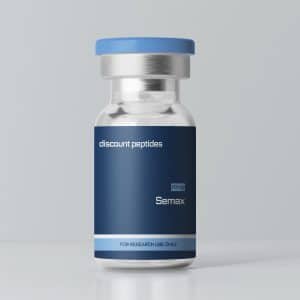
Semax (10mg)
$45.00 Add to cart -

Selank (30mg)
$78.00 Read more Out of Stock